Oil & Gas — Corrosion Monitoring
Context: Critical oil and gas pipeline infrastructure required continuous monitoring to detect corrosion and degradation under harsh environmental conditions.
Solution: Hexitronics deployed industrial-grade sensors integrated with RS-485 gateways and cloud dashboards to capture corrosion parameters in real time.
Outcome: Enabled early anomaly detection, reduced manual inspections by 70%, and improved asset life-cycle planning.
Municipal Infrastructure — Fire Hydrant Monitoring
Context: Municipal fire hydrant networks lacked real-time visibility into availability and pressure readiness.
Solution: Smart sensor retrofitting with IoT gateways and centralized dashboards was implemented across multiple locations.
Outcome: Improved emergency preparedness, faster maintenance response (67% reduction), and centralized monitoring for authorities.
Energy & Utilities — AMR Retrofit
Context: Industrial facilities relied on manual meter readings for energy and water consumption, leading to delays and inaccuracies.
Solution: Legacy meters were retrofitted with AMR devices enabling automated data acquisition and secure transmission.
Outcome: Achieved accurate billing data, operational transparency, and data-driven energy optimization (12% savings).
❄️ Cold Supply Chain — Ice Cream Distribution
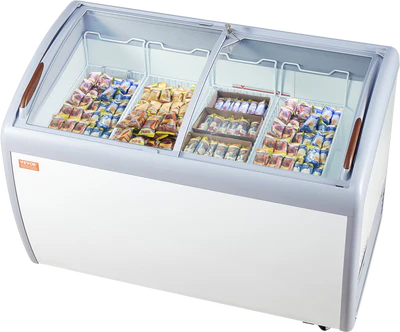
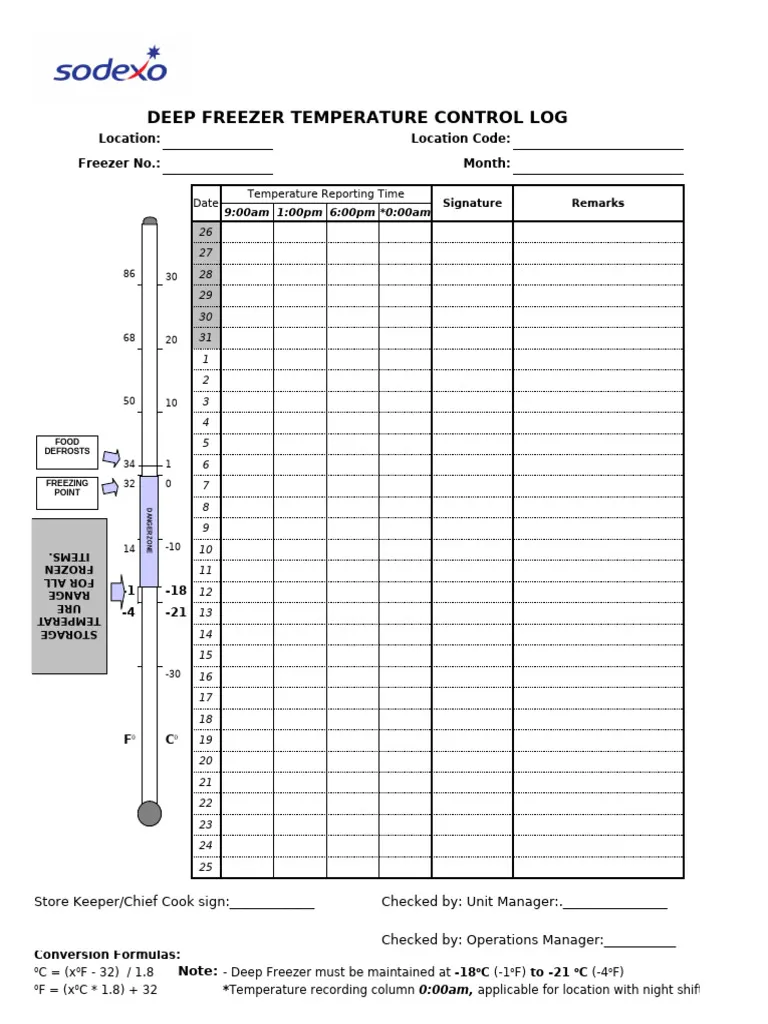
Left: Retail deep freezer used for ice cream storage. Right: Traditional manual temperature log before IoT automation.
Industry: Food & Beverage – Ice Cream Distribution
Application: Deep Freezer Temperature Monitoring at Retail Outlets
Nature: Experience-based deployment (NDA compliant)
Background
Ice cream quality is extremely sensitive to temperature stability. Even short and repeated temperature excursions inside deep freezers can lead to partial melting, refreezing, texture degradation, and loss of product consistency. These failures are often invisible but result in customer complaints and commercial disputes.
Problem Statement
A large food and beverage brand operating more than 150 cloud kitchens and retail outlets across India was receiving frequent complaints from retail partners regarding poor ice cream quality. Retailers often cited quality degradation as a reason for reduced payments. While manufacturing and upstream cold storage were compliant, there was no objective data to determine where the quality degradation was actually occurring.
Solution Deployed
Hexitronics implemented an IoT-based temperature monitoring system inside deep freezers installed at retail outlets. Approximately 50 IoT devices were deployed with K-type thermocouples to reliably monitor negative temperatures down to –30°C. The primary objective was continuous temperature visibility.
Sensors & Data
- K-type thermocouple temperature sensors
- Continuous temperature logging (every 5 minutes)
- Time-stamped temperature trend graphs
- Web-based dashboard visualization
Key Observations
After one month, the temperature data revealed sharp and repeated spikes correlated with door opening events. The data identified frequency of door openings, duration, and time-of-day patterns.
Operational Intervention
The brand owner conducted meetings with retail partners, presenting temperature graphs to explain how frequent door openings caused instability. A separate refrigerator was recommended for daily sales, with deep freezers opened only 1-3 times per day.
Business Impact
- Root cause of quality degradation conclusively identified
- Retail partners acknowledged operational lapses
- Payment disputes resolved using objective temperature data
- Outstanding dues successfully recovered
- Improved handling discipline across retail outlets
Key Learning
This deployment demonstrated that IoT is not only a monitoring tool but also a powerful mechanism for accountability, behavior correction, and dispute resolution. IoT converted an operational assumption into verifiable proof.